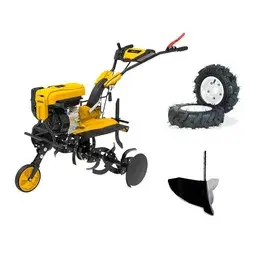
What type of work is the Garland Mule Keeper 40V 742R-V23 intended for?
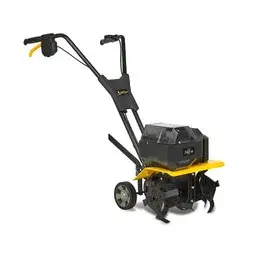
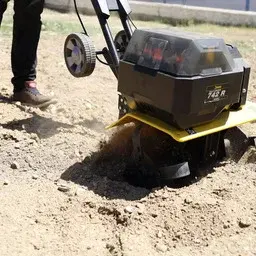
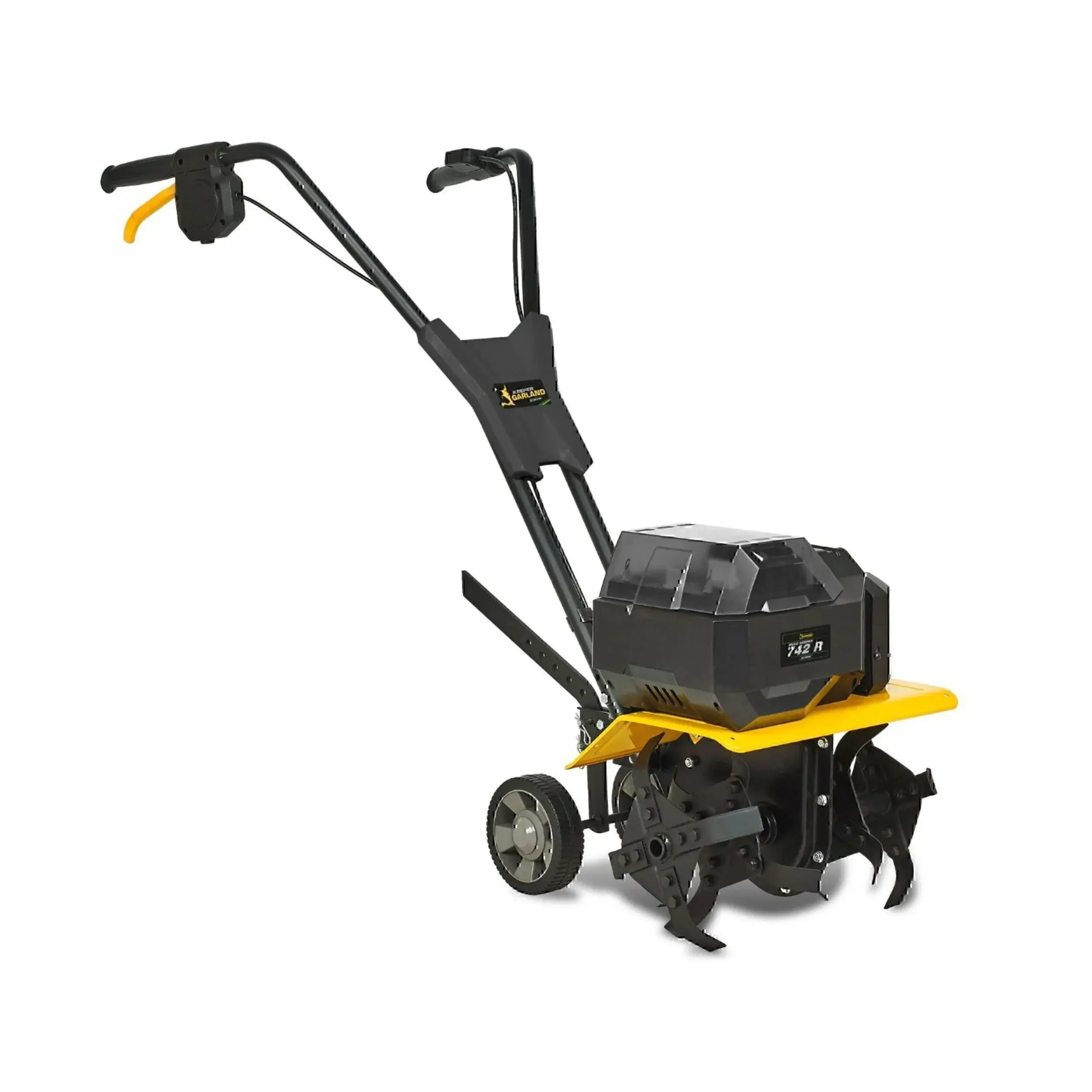
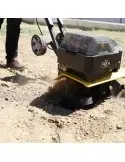
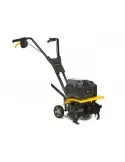
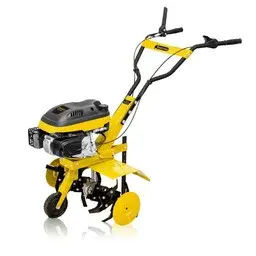
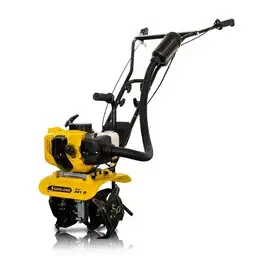
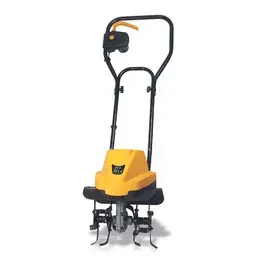
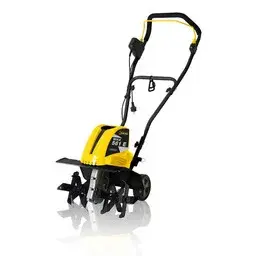
It is a battery-powered electric tiller designed to combine and aerate already tilled soil in orchards and small or medium-sized plots. Its 800 W motor and 40 cm working width allow for agile handling, and as it runs on battery it avoids fumes and cables, making it comfortable in residential areas and areas with difficult access to the electrical grid.
What type of work is the Mule Keeper 40V 742R-V23 tiller intended for?
It is designed to combine and aerate soil that has already been tilled, not to break up highly compacted virgin soils. With its 8 strawberries divided into 4 groups of 26 cm in diameter and 40 cm in working width, it fits in family gardens, flower beds and terraces where you want to keep the soil loose.
What batteries and charger do I need to get it up and running?
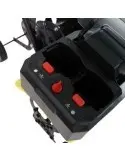
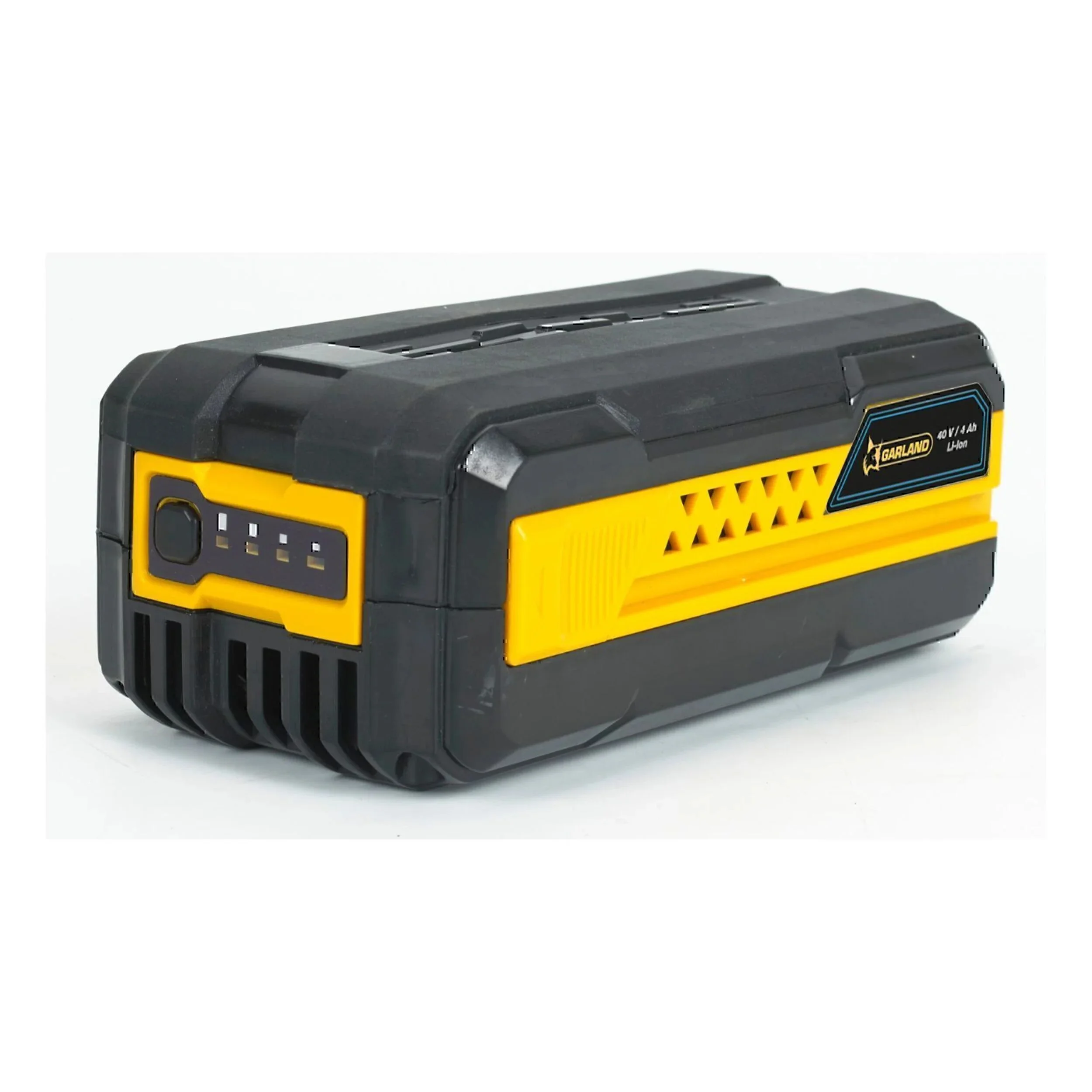
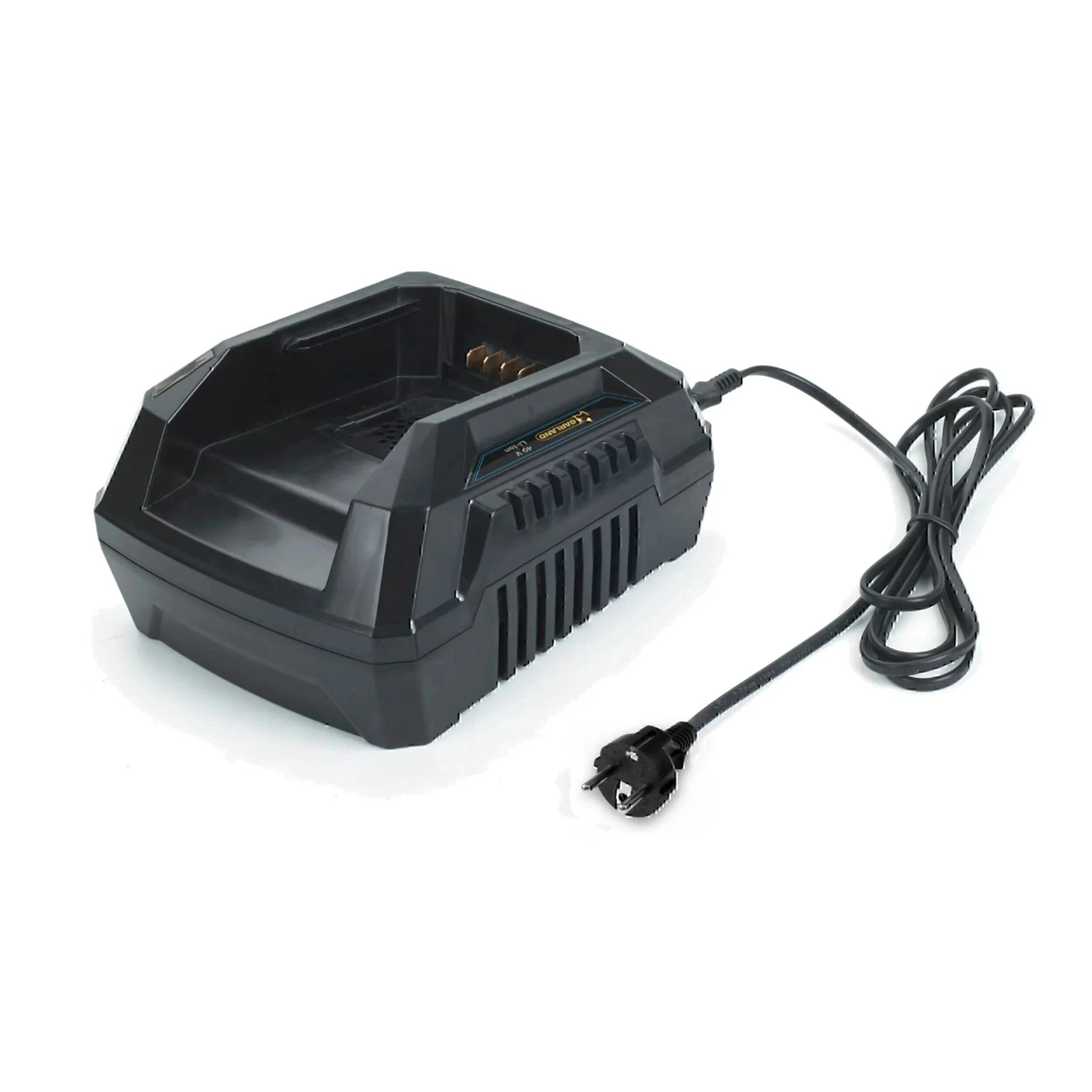
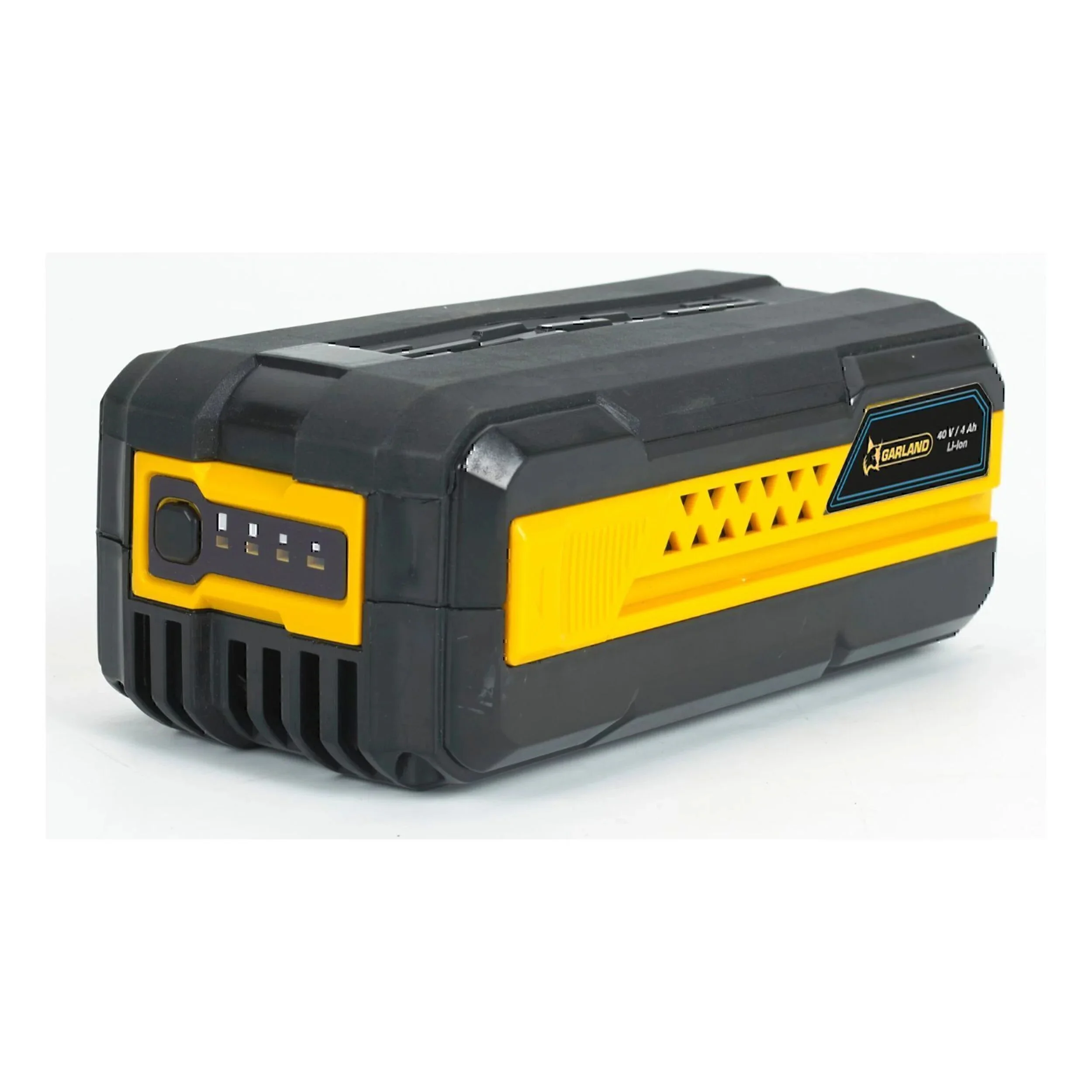
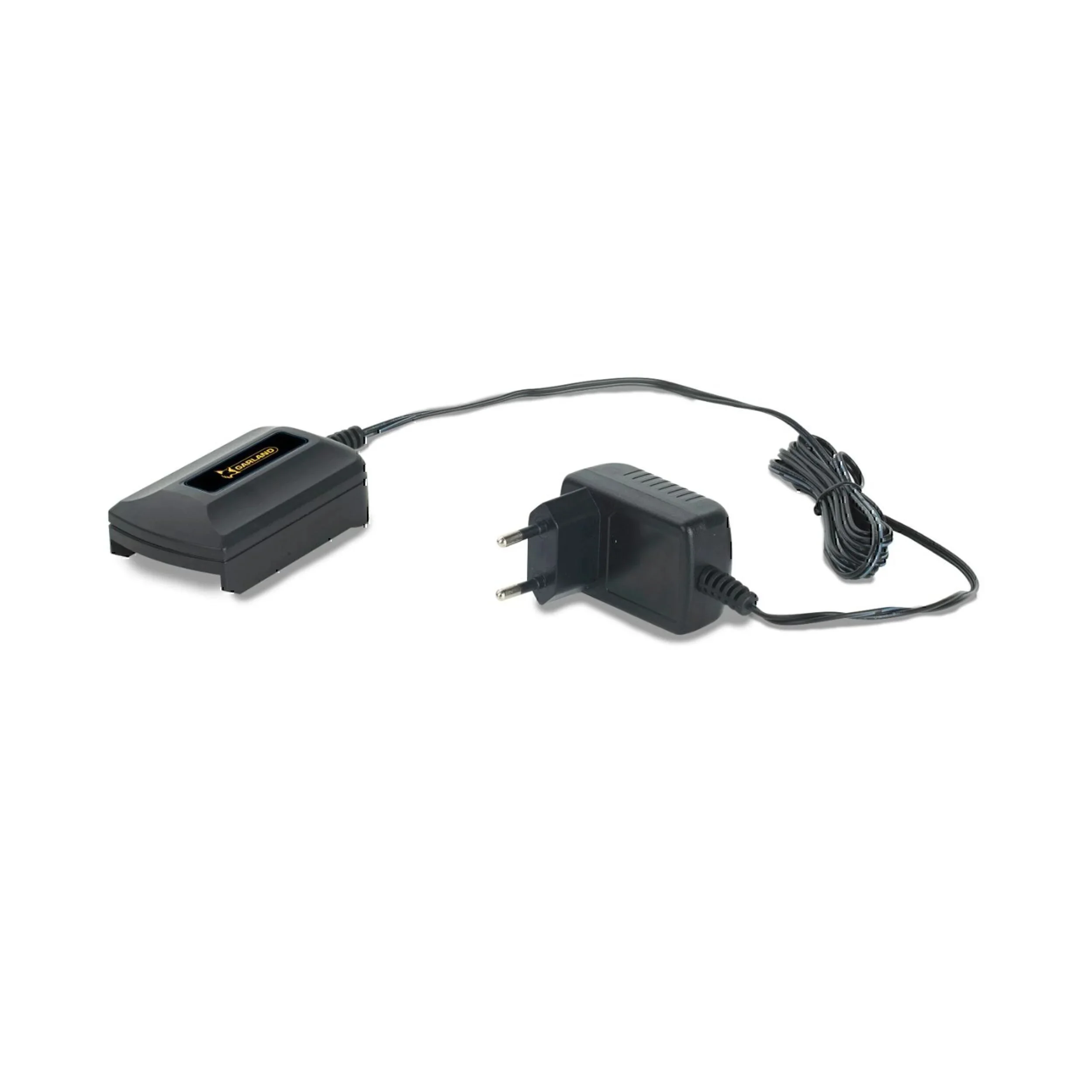
The machine does not include a battery or charger. It works with a single battery from the Keeper 40V range, compatible with the 2 Ah (ref. 40_V-0008) and 4 Ah (ref. 40_V-0009) options. To charge it, you can choose between the fast charger (ref. 40_V-0010, 40 V and 5 A output) or the slow charger (ref. 40_V-0011, 40 V and 1 A output), depending on the frequency of use.
What batteries and charger do I need to use it?
Sold without battery or charger. It is compatible with 40 V lithium batteries from the Keeper range, in 2 Ah or 4 Ah versions, and with fast or slow chargers from the same range. The runtime will depend on the chosen capacity and the type of terrain, so it is advisable to consult the accessory sheet.
What working width and depth does it offer?
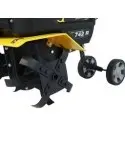
It offers a working width of 400 mm thanks to its 4 milling cutter groups of 26 cm in diameter, with a total of 8 blades. The actual depth depends on the type of soil and how much is loaded on the handlebars; for very compact soil, it is advisable to go through it several times, since it is designed for maintenance rather than initial plowing.
How many speeds does it have and what is the reverse gear for?
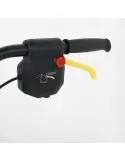
It has two forward speeds, at 100 and 130 rpm, and one reverse speed at 45 rpm. The two forward gears allow the forward gear to be adapted to the state of the ground and the reverse gear makes it easier to maneuver on narrow terraces or when removing the machine from areas with very soft soil.
How many speeds does it have and what is each one for?
It has two forward speeds (100 and 130 rpm) and one reverse gear (45 rpm). The slow forward gear is useful when the soil is more compacted or you want to refine the work, the fast gear to advance on already soft soil, and the reverse gear makes it easier to maneuver in narrow corridors in the orchard without having to lift the machine.
What advantages does it have compared to an equivalent gasoline tiller?
Running on battery, it offers zero emissions at the point of use, a lower noise level and no cables. In addition, it shares batteries with the rest of the Keeper 40V range, so they are amortized between several machines and the typical maintenance of a thermal engine (oil, spark plug, air filter or gasoline) is eliminated.
Does it have protection against water and dirt?
The machine has an IPX1 protection rating, which protects it against vertical drips but not against water jets or immersion. It should not be cleaned with a pressure hose or left exposed to rain; It is advisable to remove traces of dirt with a brush or dry cloth.
Can I use Keeper 40V batteries in other machines in the range?
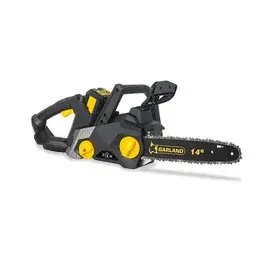
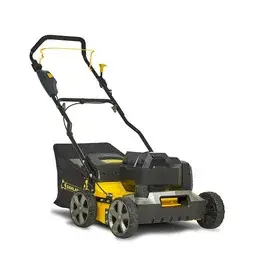
Yes. The Keeper 40V range batteries are compatible with the rest of Garland machines in this family, so the same battery can be used, for example, in the Keeper system chainsaw, lawn mower or brush cutter. It is advisable to consult the data sheet of each specific machine to confirm compatibility and runtime times.
What basic maintenance does it require and where do I consult the manufacturer's instructions?
Being electric, it does not require oil changes or engine filters: maintenance focuses on cleaning the cutters after each use, checking the tightness of the screws of the cutter groups, keeping the battery charged and stored in a dry place, and checking the battery power cable. For tightening torques and detailed procedures, it is advisable to consult the user manual and technical data sheet published on the product page.
What safety precautions should I take when handling it?
With a weight of 28 kg and a sound pressure of 85.7 dB(A), it is advisable to wear safety shoes, gloves and hearing protection. Before any adjustment or cleaning of the cutters, the battery must be removed to avoid accidental starts, always following the instructions in the manual.